For years, full-frame cameras were only found in high end, expensive cameras. But now, they are more accessible than ever. Many camera manufacturers have entry level full frame cameras and the used market for full frame also offers some great deals if you are thinking of upgrading.
But that doesn’t mean they are the right choice for everyone.
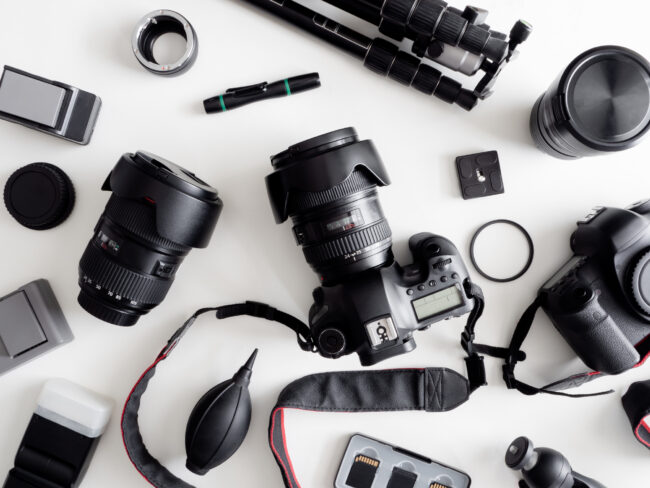
If you’re trying to decide if you need to upgrade to full frame, here is what you need to consider.
1. The Big Four Benefits of Full Frame
There are three technical areas where full-frame sensors objectively outperform APS-C sensors. If your photography focuses on these, full frame might be for you:
-
Low Light Performance: Because full-frame sensors are physically larger, they have larger pixels (photosites) that can catch more light. This means cleaner images with less grain (noise) when shooting at night or indoors.
-
Shallow Depth of Field (Bokeh): If you love that creamy, blurred-out background in portraits, full frame makes it easier to achieve. To get the same look on a crop sensor, you’d need much more expensive, specialised lenses.
-
Wide-Angle Photography: For landscape or architectural photographers, full frame allows you to capture a wider field of view without the 1.5x crop factor narrowing your vision.
-
Dynamic Range: Full-frame sensors generally offer superior dynamic range compared to crop sensors. This means reduced noise in shadows, and better preserved highlight detail. Full-frame cameras provide greater latitude to recover shadows and highlights in post-processing
2. Weight, Size and Cost
Many photogrpahers budget for the camera body but forget the lenses. Full-frame lenses are almost always:
-
More Expensive: Even budget full-frame lenses often cost double their APS-C equivalents.
-
Heavier and Bulkier: A full-frame setup can quickly become a big weight on your shoulder. If your kit is too heavy for a casual walk, it will stay at home more often.
3. The Case for APS-C (Crop Sensor)
Don’t let the term crop fool you into thinking it’s an inferior product. Systems like Fujifilm’s X-Series or Sony’s A6000 are highly rated for several reasons:
-
Portability: These cameras are perfect for travel, street photography, and daily use.
-
Reach for Wildlife: If you enjoy birding or sports photography, the 1.5x crop factor actually helps you. A 300mm lens acts like a 450mm lens, giving you more zoom for less money.
-
Diminishing Returns: For sharing on Instagram or printing standard photos, most people cannot tell the difference between an APS-C and a full frame shot.
4. The Verdict: Should You Buy One?
Buy Full Frame if: You primarily shoot portraits, landscapes, weddings, or starry night skies (Aatrophotography).
-
You have the budget for high-quality lenses.
-
You don’t mind carrying a heavier bag.
Stick with APS-C (or Micro 4/3) if:
-
You are a traveler or hiker who values light gear.
-
You are on a budget and want a wider variety of lenses.
-
You are still learning the basics of composition and lighting.
Final Thought
At the end of the day, photography is about the eye, not the gear. As many experienced photographers will tell you: Invest in a photography course or a plane ticket to a beautiful location before you spend £2,000 on a new sensor. Your hobby should make you happy – don’t let gear envy get in the way of your creativity.

Andrew Mason is a professional photographer and the founder of the 36exp Photographers School plus the London Photo Show.
He shoots mainly commercial portraits for a living, and likes to shoot landscape, portrait and travel photography.
He is a master of lighting and portrait photography, plus leads photography trips with 36exp.