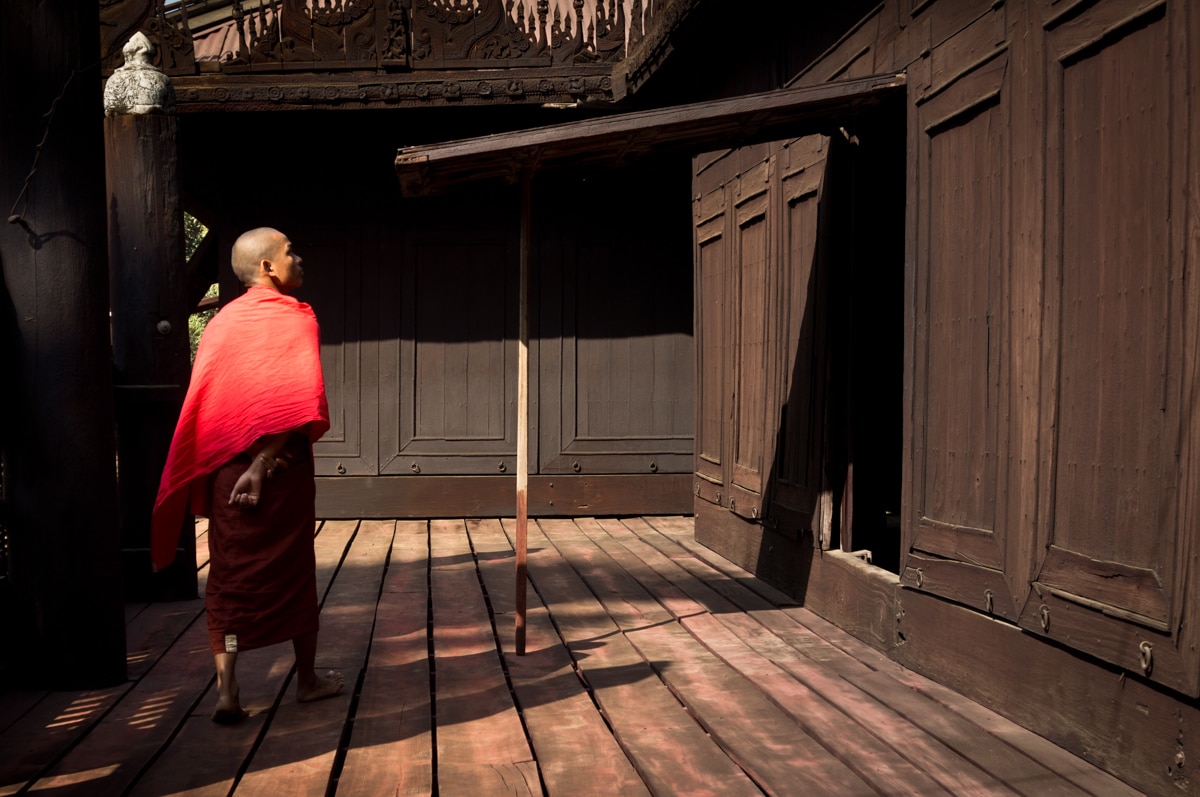
How To Use Your Camera
A crash course in how use your camera properly to take better photos.
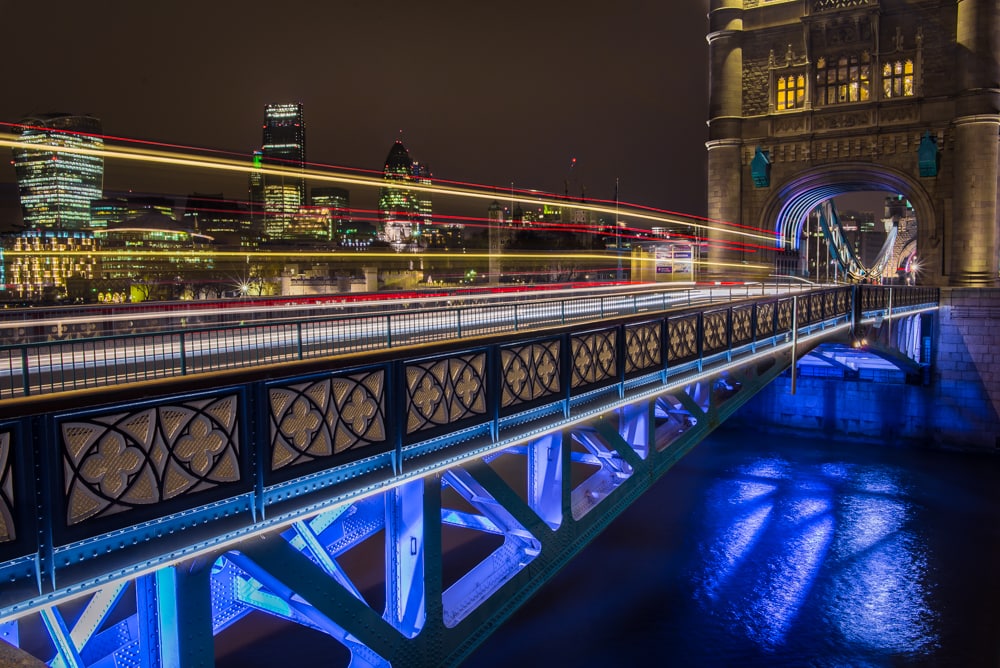
How To Create Light Trails
How to create light trails in 7 easy steps. Once you know how to create light trails you will be able to create patterns using the lights from passing vehicles.
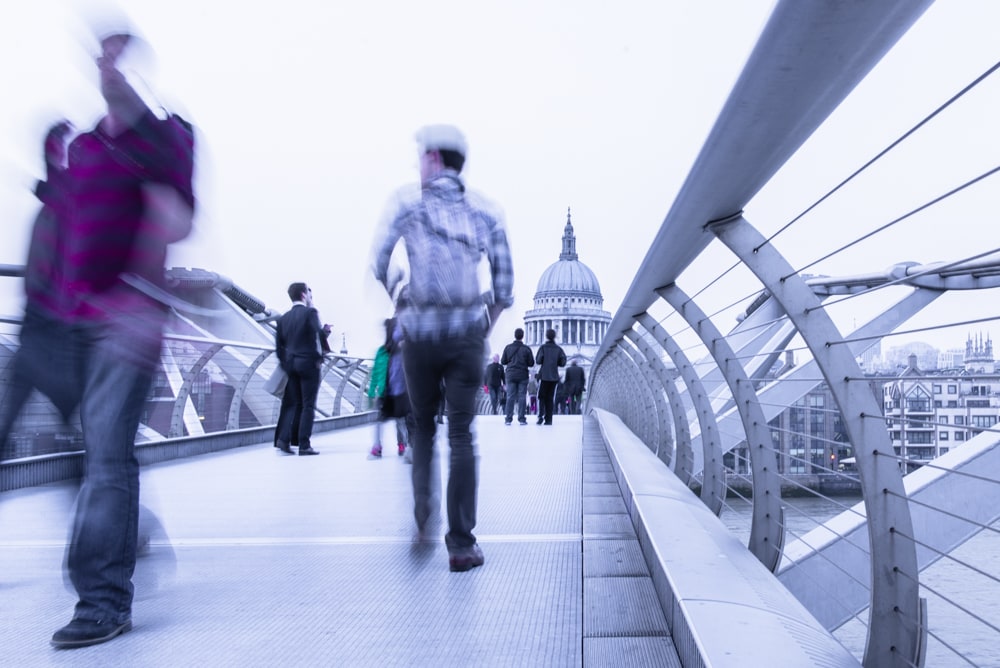
What is White Balance?
On your camera you’ll see a setting for white balance. Ever wondered what this means in photography terms? Read this article to find out. The first thing to realise is that the colour of light from various light sources is different; fluorescent tubes emit a different colour of light than the sun, and cloudy light...

Using Hard, Direct Light Creatively
Light comes in two types – hard and soft. Hard light comes from a small light source (e.g. direct sun, or direct flash); you see clearly defined edges to your shadows with hard light. Soft light happens when you have a big light source (e.g. the sun through clouds, or flash through a large diffuser);...
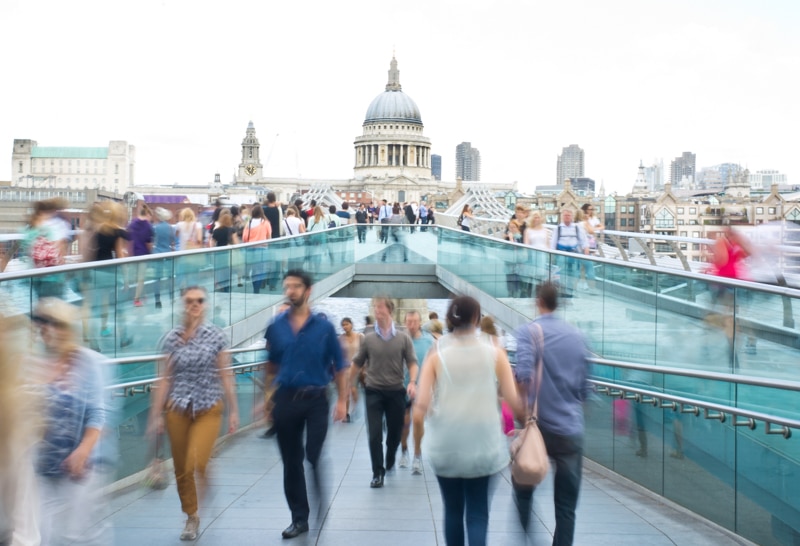
How To Show Motion Blur In A Photo
Any movement that happens while your shutter is open will be recorded by the sensor. If something moves during that time, it won’t be rendered as a single sharp position but as a streak across the frame. This is what we call motion blur. The faster the subject moves, the longer that streak becomes. Likewise,...
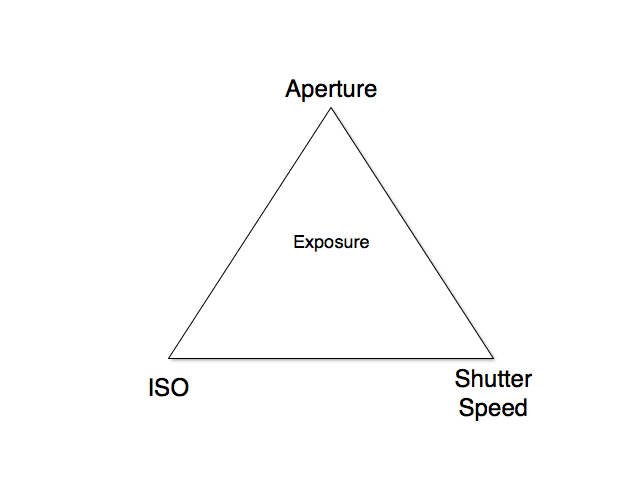
The Relationship Between Aperture, Shutter Speed & ISO
Aperture, shutter speed and ISO combine to control how bright or dark the image is (the exposure). I like to think of the exposure triangle when talking about them. Using different combinations of aperture, shutter speed and ISO can achieve the same exposure. A larger aperture allows more light to hit the sensor and therefore...

Camera Sensor & Resolution
A camera sensor is made up of millions of tiny light-collecting dots called pixels and the sensor's resolution depends on how many pixels there are.
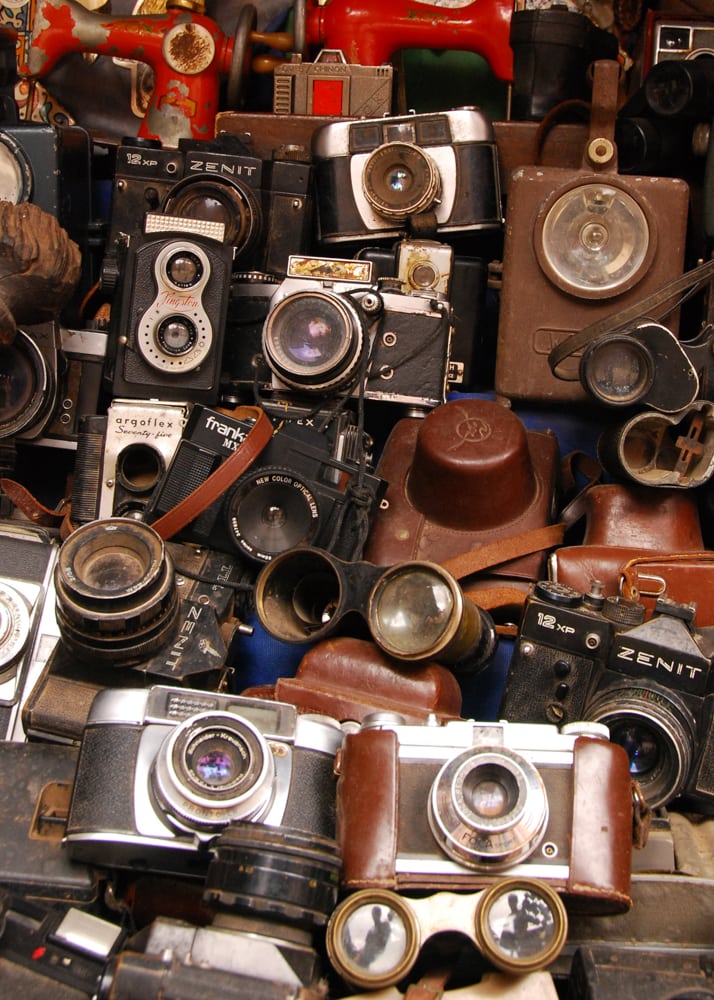
The Number 1 Piece Of Kit That Every Photographer Should Own
People often ask us about buying more camera kit. Without fail we always recommend that the next piece of kit that anyone should buy after their camera is a 50mm f1.8 lens. Here’s why: Narrow Depth of Field The maximum aperture of f1.8 enables you to achieve a very narrow depth of field, i.e. with...
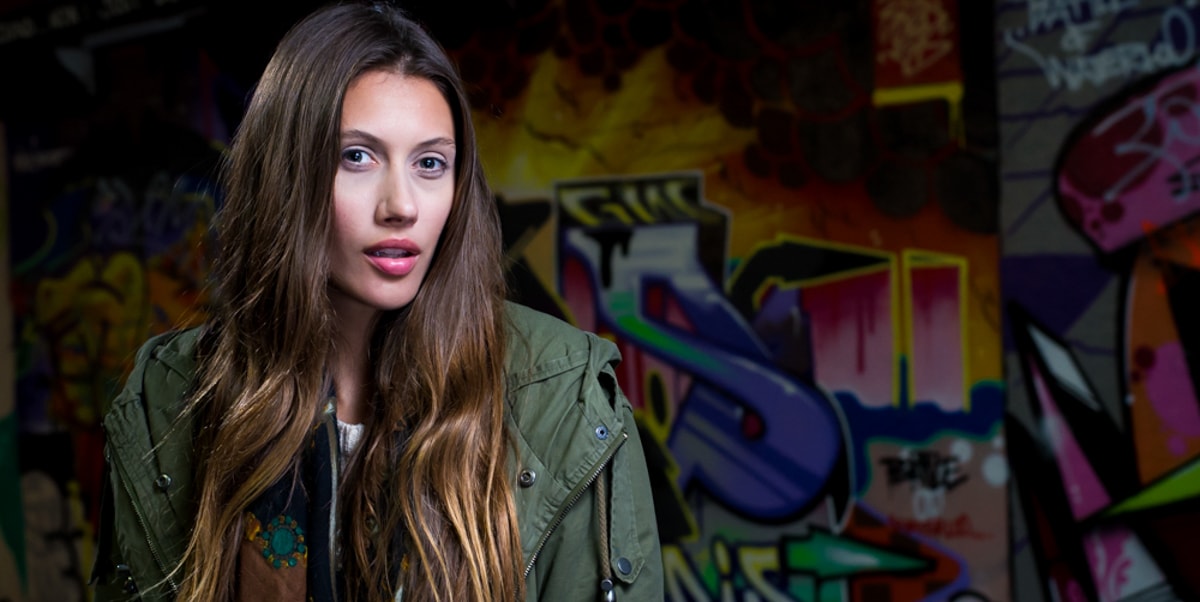
Off Camera Flash Workshop
Unleash your speedlight and find out how to shoot urban portraits using off camera flash.
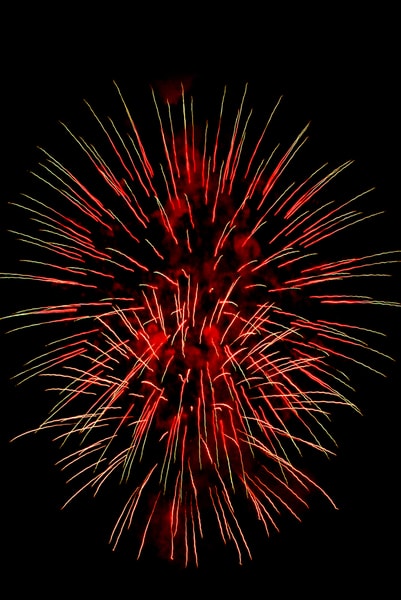
5 Tips For Photographing Fireworks
Taking photos of fireworks can be lots of fun, here are our top 5 tips for getting great shots of the display: Use a tripod and long shutter speeds. The best fireworks photos are those with light trails created as the coloured light whizz through the sky. Experiment with different shutter speeds of 2s, 5s,...