How to Master London Cityscape Photography
London is a dream for urban landscape photographers. Very few places give you the chance to photographyan ultra-modern skyscraper right next to a historic, centuries-old landmark.
But capturing the capital takes more than just turning up and pressing the shutter. Between the rapidly shifting weather, the intensity of the city, and the shifting tides of the River Thames, shooting London requires strategy.
Whether you are looking to refine your composition or want to capture gallery-worthy urban prints, this guide breaks down the core elements you need to master.
1. Embrace the Golden Hours: Dawn & Dusk
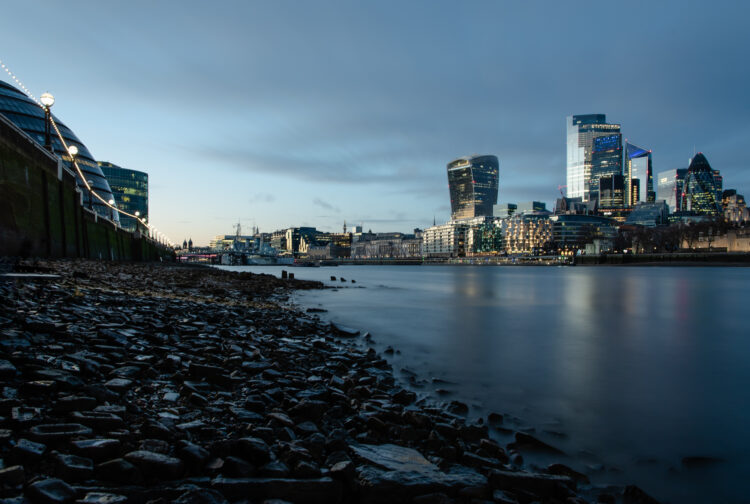
To capture the city at its most dramatic, you need to set your alarm early or stay out late. The midday sun can create harsh shadows on stone buildings and glass facades, so your best work will happen around dawn and dusk.
The Magic of London at Dawn
If you want clean, empty frames of iconic areas like Tower Bridge or the Millennium Bridge, dawn is your only option. London is a busy, bustling city; by 8:00 AM, the bridges are packed with commuters and tourists. Shooting just before sunrise gives you pristine, quiet streets and soft, warm light reflecting.
The Contrast of Dusk & Blue Hour
As the sun dips below the horizon, the city lights turn on, creating a brief, beautiful window where the ambient deep blue sky balances perfectly with the warm orange glow of the streetlights, this is a magical, underrated time for atmospheric urban photography.
2. Use the Thames
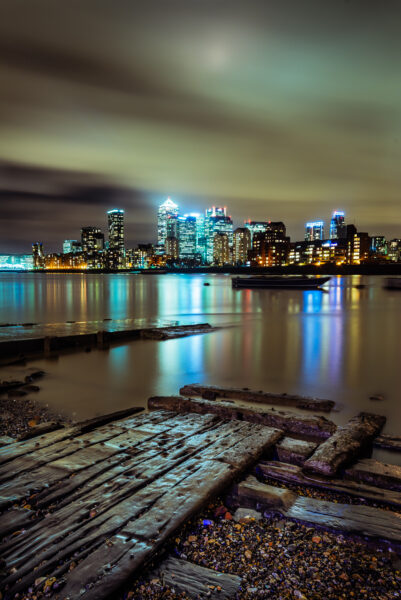
Because the river curves through the heart of the city, you can use it as a massive leading line to guide your viewer’s eye straight toward landmarks like Westminster or the London Eye.
Check the tide tables. When the tide is low, you can access the exposed gravel riverbanks (especially along the South Bank). Shooting from this low angle gives you raw foreground textures like wet stones, chains, and old wooden piers that contrast beautifully with the modern skyline.
The Thames also opens up vistas over London, giving you space to shoot wider urban landscapes.
3. Master the Technicalities of Long Exposures
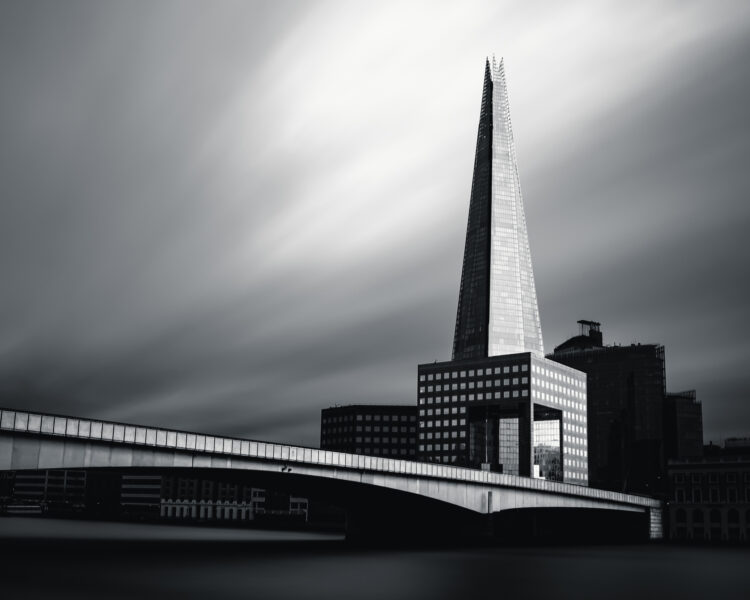
If you want to move away from standard snapshots and create fine-art imagery, you need to master long-exposure photography. Capturing long exposures in an urban landscape serves two major creative purposes:
-
Smoothing the Water: The Thames is often choppy with ferry traffic. A long exposure of 30 seconds or more completely flattens the water, turning it into a glass-like mirror that reflects the city lights beautifully.
-
Creating Cloud Drama: London’s weather changes quickly. If you have fast-moving clouds, a daytime long exposure using a 10-stop ND (Neutral Density) filter stretches those clouds into dynamic streaks, adding a sense of motion to your static architectural shots.
4. Plan Your Route Wisely
You can’t shoot all of London in a single evening, so you need to target areas where high-impact vantage points are closely clustered.
If you are looking for specific inspiration on exactly where to set up your tripod first, check out our comprehensive breakdown of the 5 best landscape photography locations in London to help plan your next outing. Focus on mastering one zone at a time – whether that’s the architectural mix near London Bridge or the industrial brickwork surrounding Battersea Power Station.
5. Use Original Compositional Principles
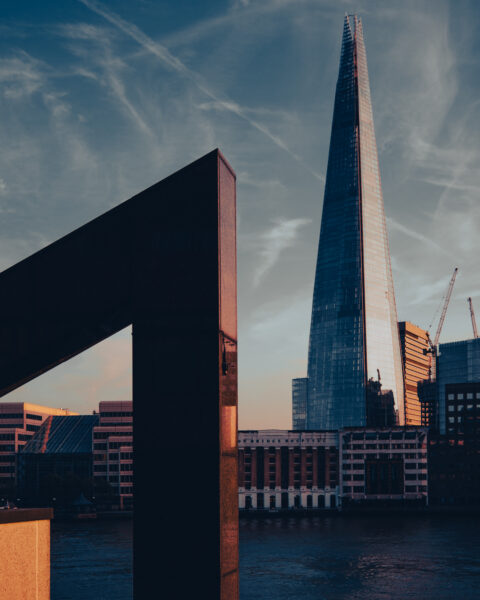
London has been photographed a lot. Look for ways to make your photos more original. Don’t forget your basics of composition, one of our favourites is thinking in terms of 3D depth and always looking for a strong foreground to lead the viewer into the shot. All the better if the composition also adds a visual echo, interesting shape or a bit of contrast.
[simple[author-box]
Ready to Take Your Skills Offline?
Reading about settings is one thing, but mastering them on the streets is another. If you want to dive deep into long exposures, master night trails, and discover hidden vantage points with an instructor by your side, join our immersive London Cityscape & Urban Landscape Photography Weekend Workshop. Spaces are strictly limited—secure your spot today!